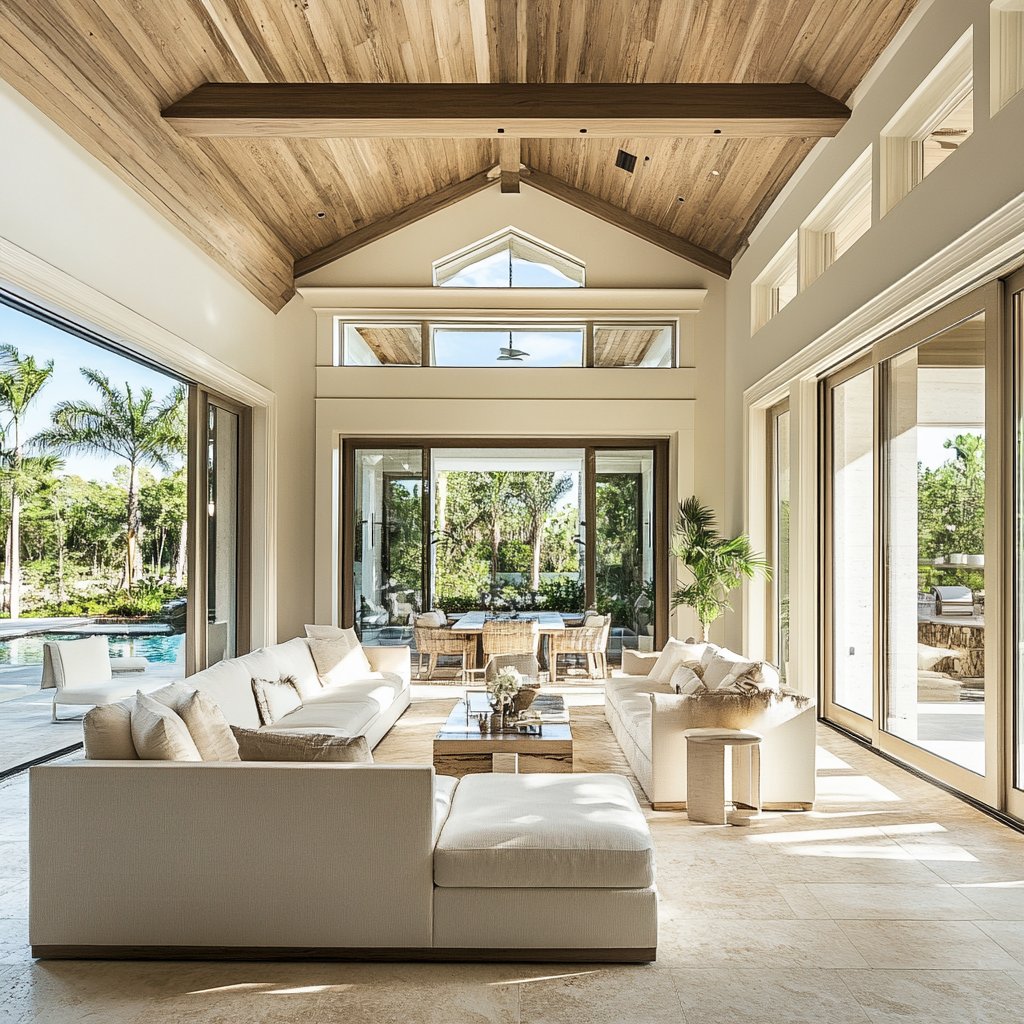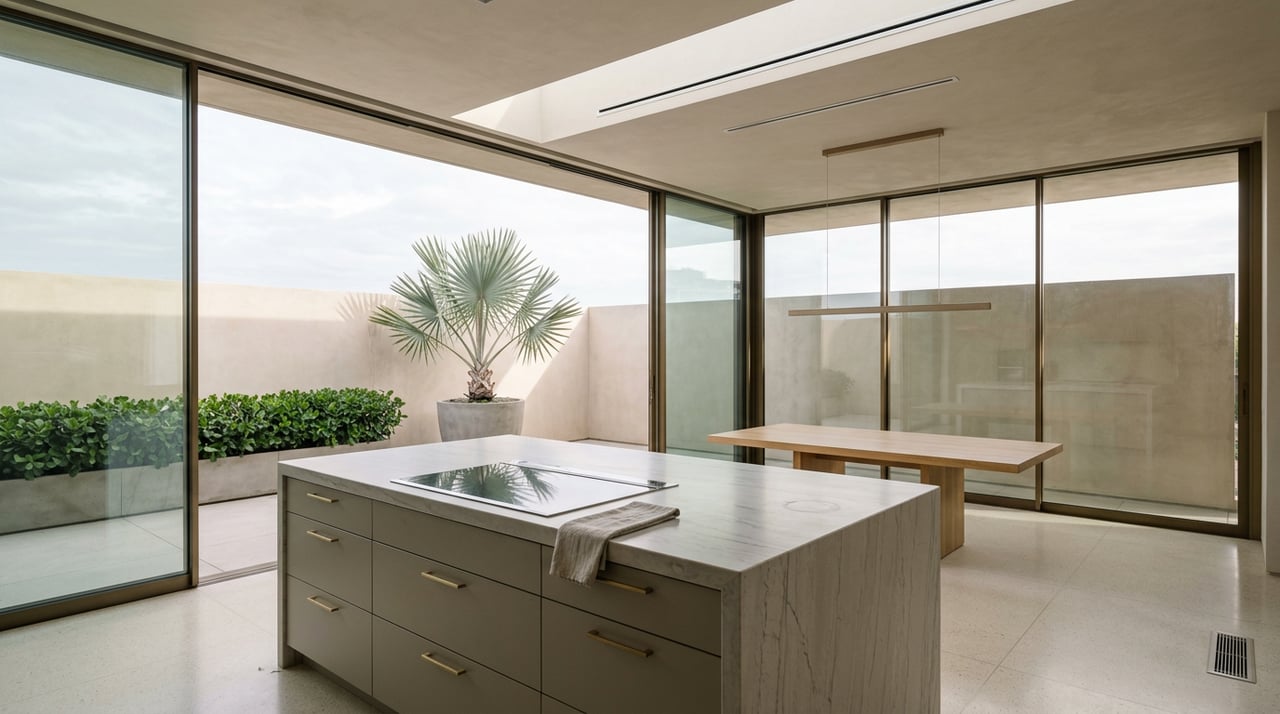
Pull up two Park Shore listings this month. Same tower era, same square footage, same Gulf-facing stack, same walk to the private beach promenade. One is priced meaningfully above the other. The photos don't explain it. The view doesn't explain it. The floor plan is nearly identical.
The gap lives in a document neither listing photographs: the building's Structural Integrity Reserve Study, and where that building's board landed on funding it. In 2026, that's become the number that actually prices a Park Shore condo, and it has nothing to do with granite or a lanai upgrade.
The Line Everyone's Suddenly Reading Closely
Florida Statute 718.112 requires every condominium building three habitable stories or taller to complete a Structural Integrity Reserve Study, a formal engineering and financial review covering the roof, load-bearing structure, fireproofing, plumbing, electrical systems, waterproofing, windows and doors. For existing owner-controlled associations, the baseline deadline to complete that study was December 31, 2025. Buildings with a milestone inspection due on or before December 31, 2026 got a narrow exception: they could combine the SIRS with the milestone inspection and complete both by that later date.
The funding side closed at the same time. Under Florida's condo inspection guidance, associations that had adopted a budget on or before December 31, 2024 could still vote to waive or reduce SIRS reserve funding, but only temporarily. Regardless of any prior waiver, every association had to begin funding its reserves according to the study's actual schedule starting January 1, 2026. Any board that had been putting off a hard reserve conversation ran out of runway this year.
Park Shore's high-rise stock, roughly two dozen towers, much of it dating to the 1980s and 1990s, is exactly the inventory this law was written for. Which means 2026 is the year the paper trail catches up with the buildings, and it's catching up unevenly.
Same Building Era, Three Different Stories
Walk through three Park Shore towers right now and you'll see three distinct outcomes from the same statute.
Vistas at Park Shore completed its Milestone Inspection and SIRS and, according to its own listing language, needed no additional special assessment to meet the study's recommendations. The building is mid-renovation now, with a white exterior repaint, new bronze window trim, panoramic lanai screens, aluminum cable railings, and a full interior refresh of the lobby, social room, library and all 21 residential hallways, work scheduled to wrap through summer and fall of 2026. That's a board that funded reserves for years before the law forced the question.
Park Shore Tower tells a different version of a similar story. Its current listings lead with a line about all assessments being paid, alongside a note about recent new paint and electrical work. That building did levy an assessment. The difference from a building still facing one isn't the presence of the number. It's the tense.
Then there are the buildings local contractors describe as renovation targets rather than move-in-ready inventory. A Park Shore-based general contractor with two decades of work in the neighborhood points to buildings like Venetian Villas and Horizon House as places where buyers are purchasing units specifically to gut them, because interiors haven't been touched since the 1980s or 1990s, original kitchens, original baths, original electrical still intact. A full gut renovation in that category typically runs $200,000 to $500,000 depending on unit size and finish level, with standalone kitchen remodels landing between $55,000 and $110,000 and master bath renovations between $30,000 and $65,000.
| Posture | What the listing signals | What you need to verify |
|---|---|---|
| No assessment needed | Board funded reserves ahead of the deadline; interior work often cosmetic | Ask for the completed SIRS and the funding schedule, not just the summary line |
| Assessment paid | The bill already happened; unit priced past that event | Confirm the assessment is fully collected, not still on a payment plan |
| Original systems, dated interior | Structural side may be current even if the unit isn't | Separate the building's SIRS status from the unit's renovation need, they're not the same question |
What "No Assessment Needed" Actually Means
A building that clears its SIRS without a special assessment didn't get lucky. It got there because a board raised regular dues incrementally, years before the law made it mandatory, and absorbed the cost gradually instead of all at once. That's a governance decision, not a structural one, and it shows up in the numbers a buyer can request: the reserve fund balance relative to what the study says is required, and whether the association's regular assessment already reflects the funding schedule or is about to jump to meet it.
Vistas is worth watching for exactly that reason. A tower that completed its structural obligations and is still investing in shared spaces during the same stretch other buildings are still negotiating theirs is telling you its dues history did the work years ago.
What "All Assessments Paid" Is Really Telling You
An assessment that's already collected and spent is not the same risk as an assessment that's pending or still being negotiated. It means the building identified a shortfall, quantified it, billed it, and moved past it. Park Shore Tower's marketing leans on that distinction on purpose. But paid doesn't mean permanent. Ask when the current SIRS was completed and whether it covers a full ten-year cycle from that date, because the next review resets the clock, not the risk.
The Buildings Where the Renovation Was the Point
Some Park Shore towers are worth buying precisely because the unit, not the building, is where the value sits. A recent Gulfshore Life feature on a Le Rivage condo shows what that looks like in practice: owners who had lived in the same eighth-floor unit for 20 years brought in interior designer Carrie Brigham to eliminate a closed-off den blocking the water view and rework a choppy floor plan into what she called a grand salon, a great room built to host up to 17 people at once. The building's bones stayed the building's bones. The transformation happened entirely inside the unit.
That's the trade a buyer in Venetian Villas or Horizon House is making too. If the SIRS on the building is current and the reserves are funded, an untouched interior isn't a red flag. It's a discount waiting for the right buyer's contractor.
Four Questions to Ask Before You Compare Two Listings
- When was the SIRS completed, and does the association's current regular assessment already reflect the study's funding schedule, or is a jump still coming?
- If a special assessment was levied, is it fully collected, or still on a payment plan that could pass to you as the new owner?
- Does the building's milestone inspection date fall before or after December 31, 2026, and if after, what repairs has the visual inspection already flagged?
- Is the price difference between two comparable units actually about the unit, or about which side of a reserve-funding decision their building landed on?
A Short FAQ
Does a completed SIRS mean a building will never face a special assessment again? No. The study is required at least every ten years, and conditions, storm damage, or cost overruns can trigger an assessment between studies even in a well-funded building. A completed SIRS tells you the building met its current obligation, not that it's exempt from future ones.
Is this a Park Shore-specific issue, or does it apply anywhere in Naples? The statute applies statewide to any qualifying condominium, but Park Shore's concentration of towers dating to the 1980s and 1990s means a large share of its inventory hit the inspection and funding deadlines in the same eighteen-month window, which is why the price effects are showing up together right now rather than trickling in over years.
The view sold Park Shore condos for decades. In 2026, the reserve study is doing part of that job too. If you're comparing two listings that look alike on paper, the SIRS is where the real difference is written down.
If you're weighing a Park Shore purchase and want a second set of eyes on what a building's reserve history actually means for your offer, Shannon Spalding can walk through the documents with you before you write one. Schedule a free consultation to start that conversation.