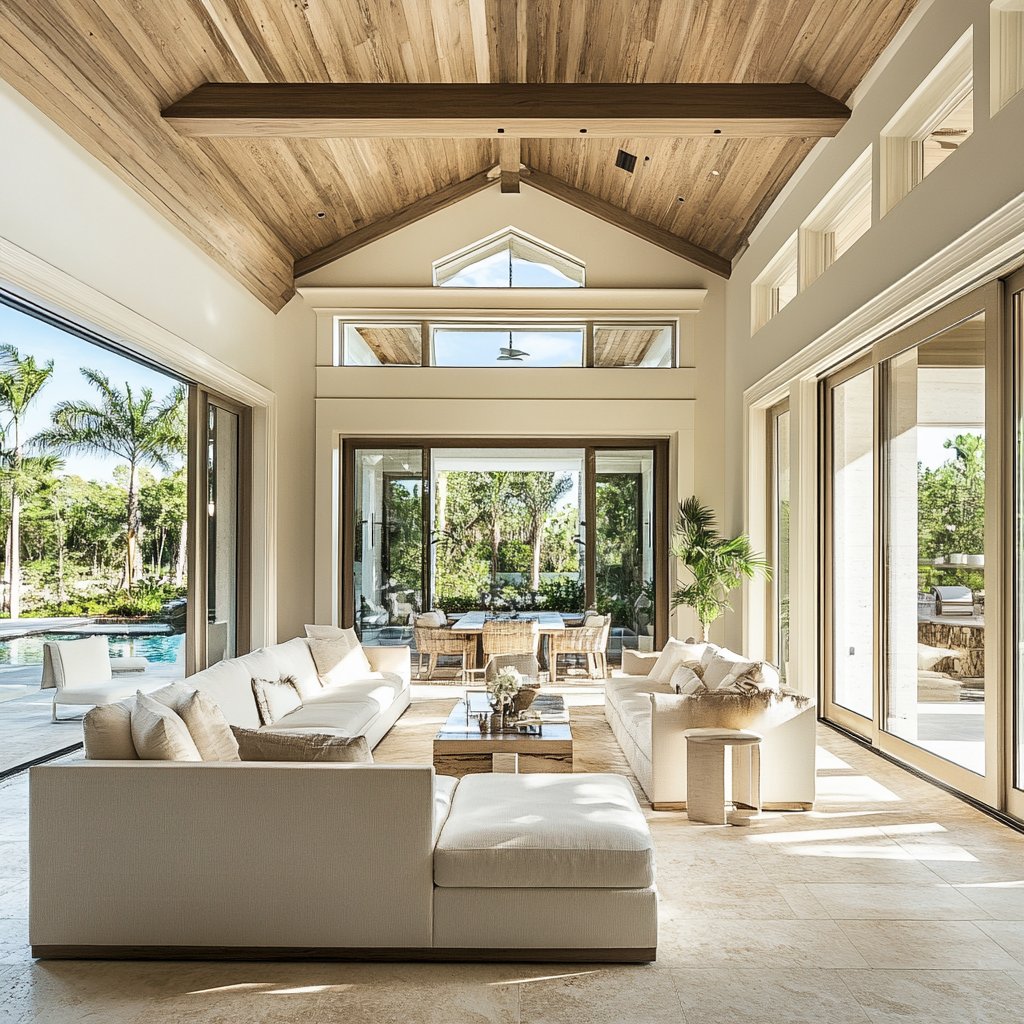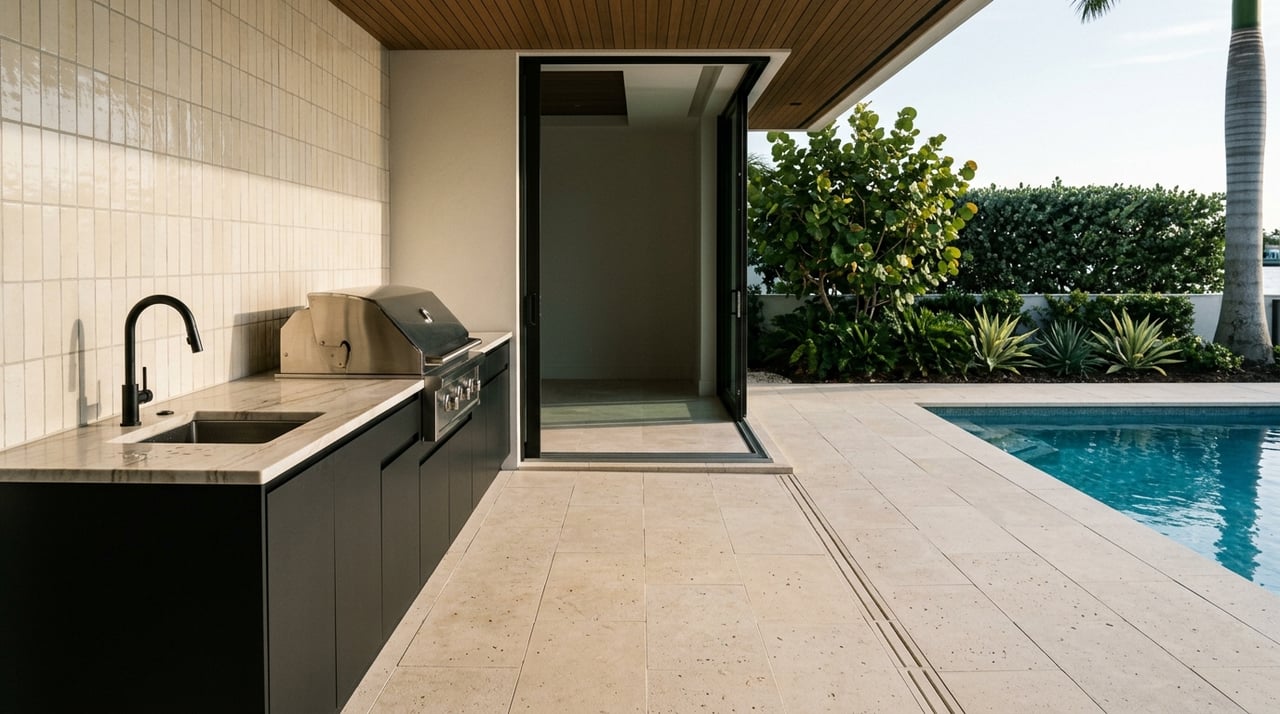
If you price a luxury home in Port Royal by broad Naples averages, you can miss the market by millions. In this enclave, buyers are weighing far more than square footage. They are comparing waterfront position, frontage, dock potential, renovation quality, and the realities of a highly structured community. If you are preparing to sell, a smart pricing strategy can help you protect value, attract serious buyers, and avoid a stale listing. Let’s dive in.
Why Port Royal pricing is different
Port Royal is not a typical luxury neighborhood. The Port Royal Property Owners’ Association exists to preserve the community’s prestige and protect property values, and Port Royal Club membership is tied to ownership of eligible property. That means buyers are often evaluating the full ownership experience, not just the residence itself.
This is one reason pricing needs to be precise. In May 2026, Port Royal had 39 homes for sale, a median listing price of $27,950,000, a median price per square foot of $3,632, and a median 91 days on market. Realtor.com also reported that homes sold for about 93% of asking on average, which shows that even ultra-luxury buyers remain disciplined.
Start with land, not the house
In Port Royal, the value story usually begins with the land. Waterfront exposure, frontage, lot shape, and view corridors often drive price more than finishes or room count. Two homes with similar interior square footage can perform very differently if one offers wider water views or a stronger lot position.
That pattern shows up clearly in recent sales. A 2020-built home at 3675 Fort Charles Drive sold for $36.49 million, while 860 Admiralty Parade E. sold for $40 million with 177 feet of frontage on a lot and a half. At a much higher tier, 575 Admiralty Parade W. sold for $85 million with nearly 2.25 lots, 250 feet of Naples Bay frontage, and wide water views.
Why frontage matters so much
Frontage is not just a line item on a property record. It can affect openness, boating utility, privacy, and the overall feel of the homesite. In a waterfront market like Port Royal, more frontage can create a very different ownership experience.
That helps explain why headline sales vary so widely. A premium waterfront geometry is scarce, and Port Royal’s deed restrictions make it difficult to recreate certain advantages later. If your property already has a strong orientation, broad water exposure, or an especially usable lot shape, that should play a central role in pricing.
View corridors can justify a premium
Open views are a major pricing lever because they are hard to duplicate. Port Royal deed restrictions are supplemental to City of Naples zoning, require written approval before exterior changes or new structures, and limit how far improvements can extend into the bay, canal, or shoreline area. In practical terms, a superior view corridor is often something a buyer cannot simply build into the property later.
For sellers, this matters because the market will usually pay more for what is already rare and protected. If your home captures a broader bay view, longer sightline, or better sunset exposure than nearby offerings, that advantage should be documented and reflected in the asking price.
Use micro-comparables, not trophy headlines
One of the biggest pricing mistakes in Port Royal is anchoring to record-breaking sales that are not truly comparable. Compound-scale transactions and one-of-a-kind estates can offer context, but they should not automatically shape the list price of a single-lot property.
For example, the reported $225 million sale of three Port Royal homes in April 2025 is better treated as a ceiling reference than as a direct comp. The same goes for Gordon Pointe, listed at $271 million with 8.15 acres, 1,665 feet of frontage, a private deepwater yacht basin, and a floating T-dock. Those are extraordinary holdings, not everyday pricing benchmarks.
What a true Port Royal comp should match
In this market, the best comparable sales are highly specific. You want to compare homes with similar water type, lot geometry, frontage, dockability, and renovation level. Broad neighborhood averages can provide background, but they do not replace a property-by-property analysis.
A strong pricing review should look closely at factors like:
- Water exposure and orientation
- Frontage length
- Lot width and overall geometry
- View corridor and openness
- Dock configuration and boating fit
- Age of construction or renovation
- Permit history and approval status
This kind of analysis helps you defend a premium when it is justified. It also helps you avoid overreaching when a nearby headline sale involved features your property does not share.
Renovations matter, but only when they are proven
Luxury buyers in Port Royal care about design and finish quality, but they also care about what sits behind the walls and on the permit record. A polished renovation can support pricing, yet only if the work is high-end, visible, and properly documented.
The Collier County Property Appraiser notes that improvements can change value, and the City of Naples says almost all permitted development in the floodplain requires floodplain review. The city also notes that substantial improvements or damage can trigger compliance requirements if costs reach 50% of the structure’s pre-improvement or pre-damage value.
Why documentation supports value
Port Royal’s deed restrictions add another layer. The association may approve or disapprove plans on aesthetic grounds, which means a renovated home carries more credibility when the work is clearly compliant with both local and association standards.
For a seller, this is where presentation and proof need to work together. If your home has been updated, pricing will be stronger when you can show the market that the improvements were not only attractive, but also properly permitted and thoughtfully executed.
Dockage adds value when it fits the site
In Port Royal, dockage is not automatically a premium feature just because it exists. Buyers want to know whether the dock fits the waterway, the site, and the vessel they intend to use. A dock that works well can support value, while one with limitations can narrow the buyer pool.
The City of Naples requires marine permits for docks, boat lifts, pilings, seawalls, riprap, and dredging. Port Royal also has its own dock and shoreline review process, including plan review before city submission and a post-construction survey requirement.
Boating utility matters more than the label
When buyers assess boating properties, they often look beyond simple dock presence. They may focus on waterway width, maneuverability, adjacent dock conditions, and how smoothly the setup supports day-to-day use. That means pricing should reflect actual boating fit, not just marketing language.
If your property offers a well-designed and well-positioned dock setup, that can strengthen the value argument. If it has functional limits, it is usually better to price with honesty from the start rather than leave buyers to discover them later.
Market conditions still shape leverage
Even in one of Naples’ most exclusive waterfront markets, pricing discipline matters. NABOR reported that overall closed sales in Naples rose 28.8% year over year in December 2025, inventory stood at 8.3 months heading into 2026, and sellers were becoming more willing to negotiate. The same report noted that luxury sales above $1.5 million continued to outperform other price bands, and sales over $5 million rose 16.6% during 2025.
That is an encouraging backdrop, but it is not a free pass to overprice. Realtor.com’s May 2026 Port Royal figures showed an average sale-to-list ratio of 93%, which signals that buyers are still measuring value carefully. A realistic opening price can preserve leverage far better than a speculative one that sits.
Protect value with a disciplined launch
In a prestige-oriented market like Port Royal, sellers often benefit from careful positioning rather than a loud rollout. The goal is to enter the market with clarity, credibility, and a pricing story that can stand up to scrutiny.
That means your launch should be built around facts that matter most. The strongest strategy usually highlights the land first, then water, then dock and permitting quality, then renovation execution, and finally the residence itself. When those layers are aligned, buyers are more likely to see the asking price as intentional rather than aspirational.
A smart Port Royal pricing checklist
Before setting your price, it helps to review:
- Your exact frontage and water exposure
- Lot shape and usable orientation
- Whether views are open, partial, or constrained
- Dock quality, approvals, and boating function
- Renovation scope, finish level, and permit history
- How your property compares to similar recent sales
- Whether your asking price leaves room for negotiation without weakening your position
This kind of preparation protects you from relying on broad averages or emotionally driven pricing. In a market this nuanced, precision is part of the value.
If you are considering selling in Port Royal, the right strategy starts with a calm, exact read of what your property truly offers and how today’s buyers will measure it. For thoughtful guidance on luxury waterfront positioning, pricing, and negotiation, connect with Shannon Spalding.
FAQs
What matters most when pricing a luxury home in Port Royal?
- The biggest driver is usually the combination of waterfront exposure, frontage, lot position, and view corridor.
Should Port Royal sellers use record sales as direct comps?
- No. Record and compound-scale sales can provide context, but single-property pricing should rely on closely matched micro-comparables.
Do renovations increase value for Port Royal homes?
- Yes, but buyers tend to value renovations most when they are high-quality, visible, permitted, and aligned with local and association requirements.
Does a dock always add value to a Port Royal property?
- Not always. Dockage tends to support value when it fits the site, the waterway, and the intended boating use.
Why do Port Royal homes sometimes sell below asking price?
- Recent market data suggests buyers in this segment remain price-sensitive, so homes that start too high may need negotiation to reach the market-clearing price.